

What is luxury brand marketing
Luxury brand marketing is not about visibility alone – it is about perception, positioning and long-term value. For high-end brands, every touchpoint contributes to how the brand is understood, remembered and desired. This applies whether value is delivered through a physical product or a more intangible experience – where perception is shaped through communication, interaction and detail rather than ownership alone.
The difference between a brand that feels considered and one that feels generic often comes down to how clearly its marketing has been defined and executed. At SO, we approach luxury brand marketing for high-end brands as a balance of strategy and creative direction – shaping a clear, consistent brand identity and narrative that reflects the quality, craftsmanship and thinking behind the brand itself.
In simple terms, luxury brand marketing creates desirability through positioning, experience and controlled visibility rather than mass reach. This applies across every touchpoint – from digital environments through to more considered outputs such as bespoke coffee table books and other high-end printed materials, where storytelling, materiality and design come together to create something more enduring.
Below are a number of key principles that underpin effective luxury brand marketing.
Build a customisation offer for uniqueness
One of the defining characteristics of luxury is individuality. Historically, this came through fully bespoke, handcrafted products created for a single client. While that level of exclusivity is less common today, many luxury brands still build elements of personalisation into their offer to retain that sense of uniqueness. Rather than unlimited choice, the focus is on considered, curated options – allowing the customer to shape aspects of the product or experience while remaining aligned with the brand.
Luxury brands approach this in different ways. Ferrari, for example, offers a highly tailored programme, allowing clients to influence everything from materials to individual design details. Hermès takes a more restrained approach, offering made-to-order services that emphasise craftsmanship and careful selection.
In each case, personalisation reinforces craftsmanship and attention to detail, creating a more meaningful connection. Where value is delivered through experience rather than ownership, this same principle often appears in how the client journey is structured – from initial engagement through to delivery – shaping how the brand is experienced as a whole.
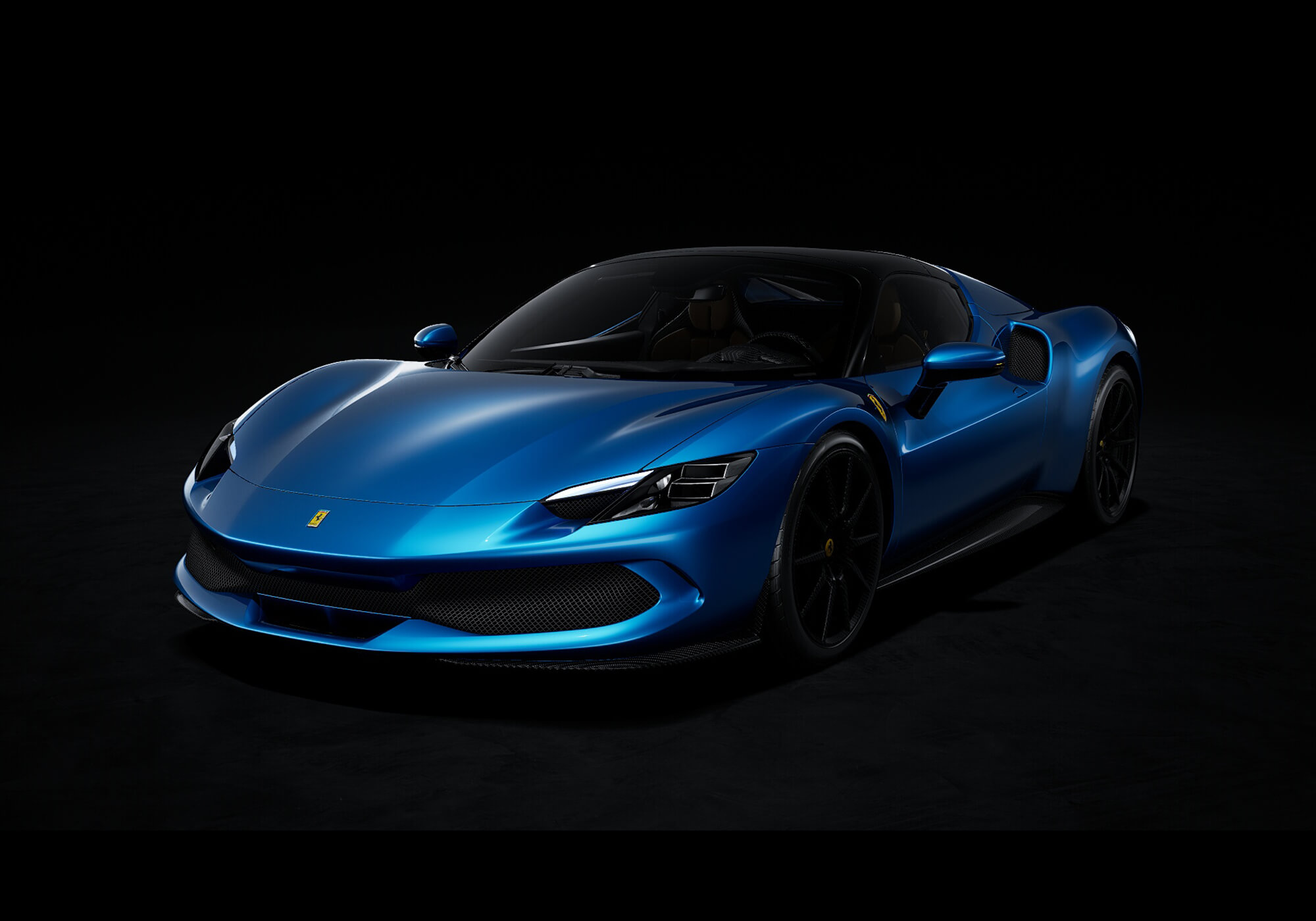
Ferrari offers extensive personalisation across materials and design.details.
Engage the senses to create emotional connection
Luxury brands are not only seen – they are experienced. Beyond visual identity, the most effective brands consider how they engage the senses to create a deeper, more lasting impression.
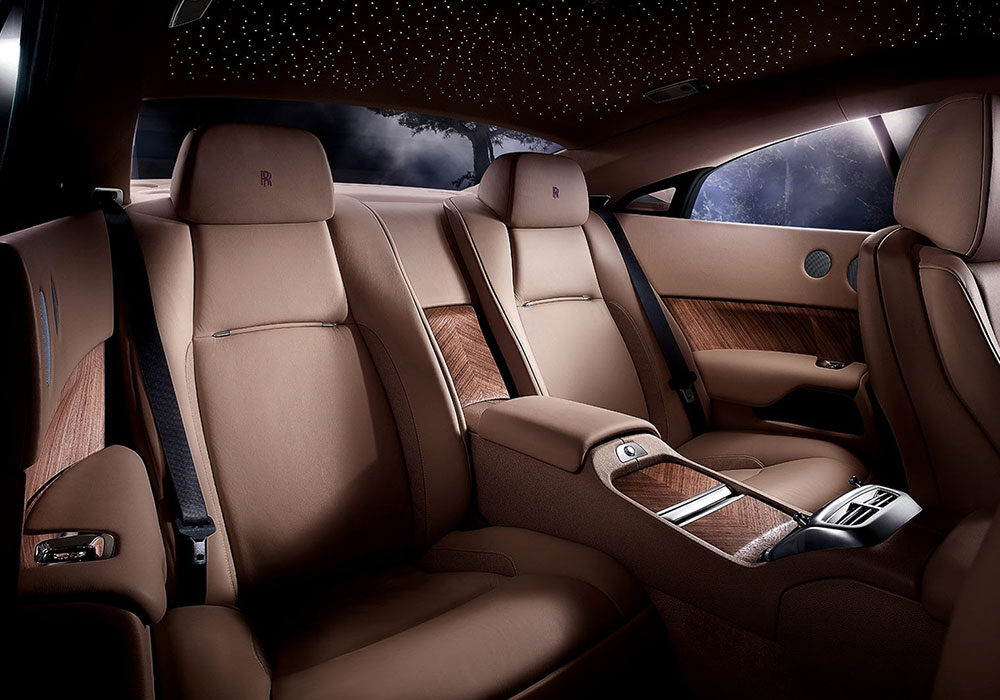
Subtle cues such as scent, texture or sound can shape perception in ways that feel instinctive rather than overt. Rolls-Royce, for example, developed a signature scent designed to recreate the distinctive interior of its earlier models – combining notes of wood, leather and oil to reinforce a sense of heritage and continuity. Singapore Airlines applies a similar principle across multiple touchpoints, from cabin environments and hot towels through to crew presentation, creating a subtle but highly recognisable sensory cue that builds a lasting emotional association.
Sound plays a similarly powerful role. Lexus engineers even the smallest audio cues – from the weight and tone of a car door closing to the refinement of in-car sounds – to reinforce precision and quality. Six Senses takes a more atmospheric approach, using carefully curated soundscapes to shape mood, promote calm and create a stronger sense of place.
Where the experience itself is the product, these cues become more understated – from the tactility of printed materials to the tone, pacing and clarity of digital interactions. The smell of leather on a bound book or the texture of handmade papers can subtly shape perception. Small details can have a disproportionate impact on how a brand is experienced and remembered.


Rethink your category in luxury brand marketing
Some of the most compelling luxury brands choose not to follow the conventions of their category. Instead, they redefine how their offer is understood and experienced.
Bulgari has extended its heritage into hospitality, translating its approach to materials, craftsmanship and detail into a portfolio of hotels that feel like a natural extension of the brand rather than a departure from it. Aman has redefined the concept of a hotel entirely, positioning its spaces as private, design-led sanctuaries where architecture, atmosphere and service are inseparable.
In each case, the shift is not simply about innovation, but about perspective – reassessing how value is created, presented and experienced. Often, this means moving beyond technical detail to communicate something more considered, engaging and emotionally resonant.
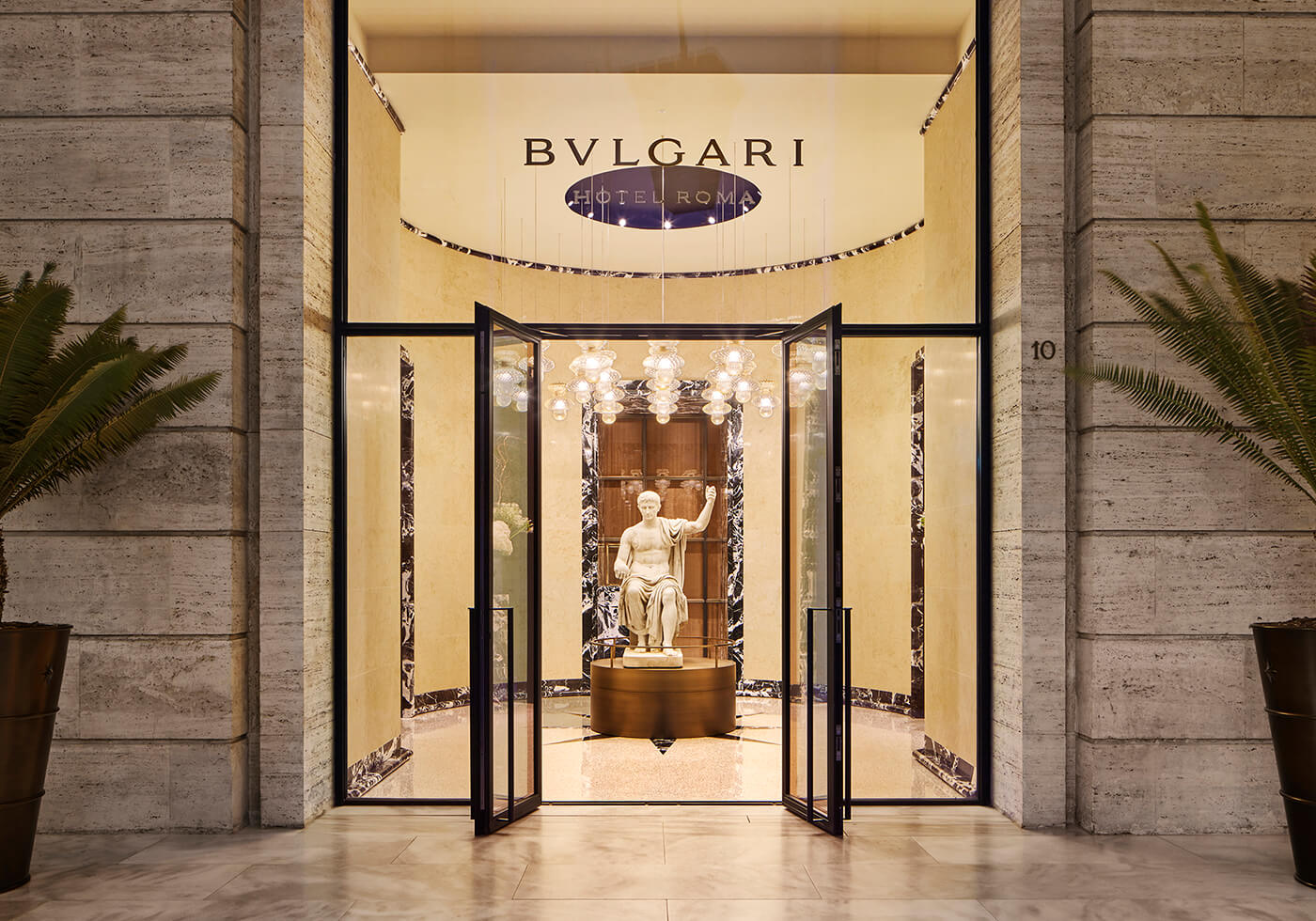
Bulgari extends its craftsmanship and materiality into hospitality.
Create immersive brand experiences in luxury marketing
Luxury brands have long understood the value of creating environments that allow customers to experience the brand in a more complete and immersive way. These spaces go beyond retail – they are carefully designed expressions of the brand’s identity, values and point of view.
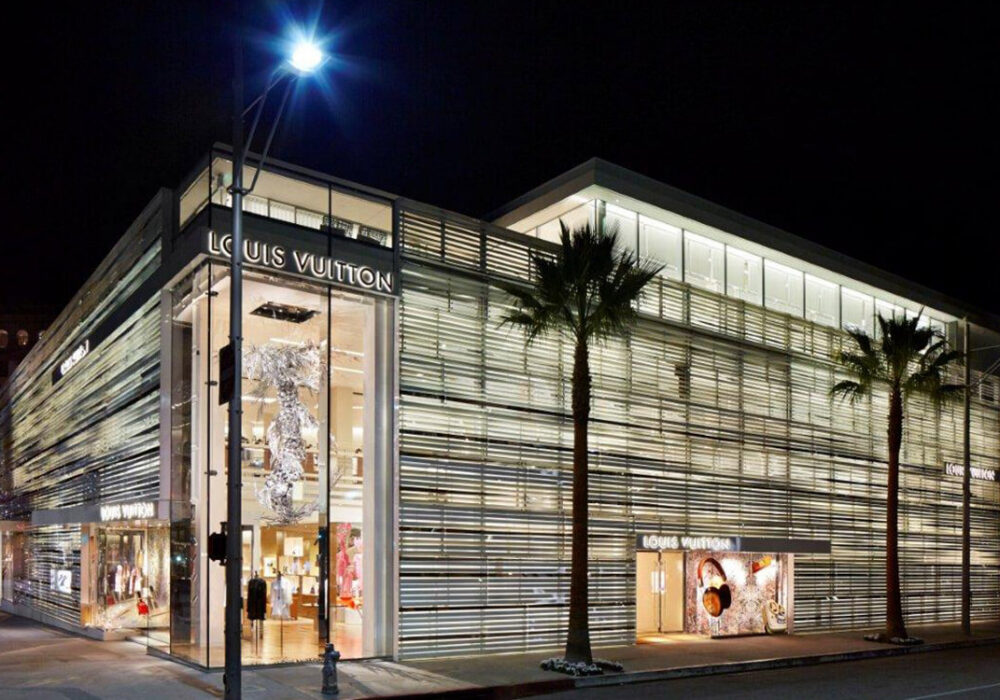
Some brands take this further by transforming retail into a broader cultural or experiential destination. Dior, for example, has reimagined its flagship at 30 Avenue Montaigne as a multi-layered environment – combining retail, exhibition spaces and hospitality to create a richer and more immersive expression of the brand. Louis Vuitton has adopted a similar approach in recent flagships and pop-ups, blending product, culture and experience in spaces that feel closer to galleries than traditional stores.
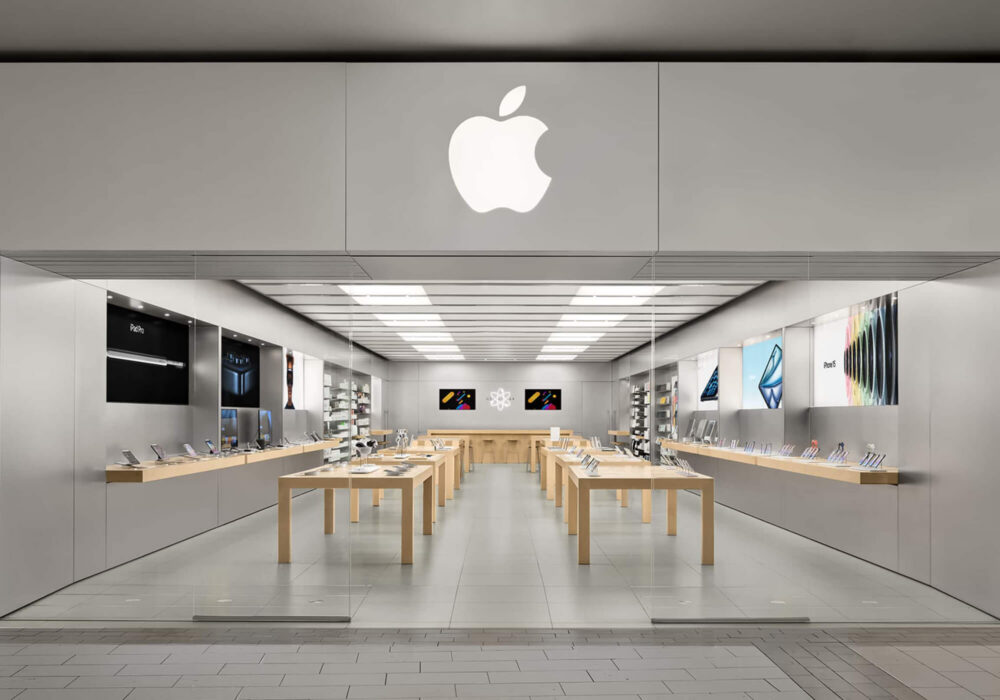
Others take a more restrained approach, focusing on clarity and atmosphere. Apple has redefined retail through calm, gallery-like environments that remove friction and allow the product to be experienced in a more intuitive and considered way.
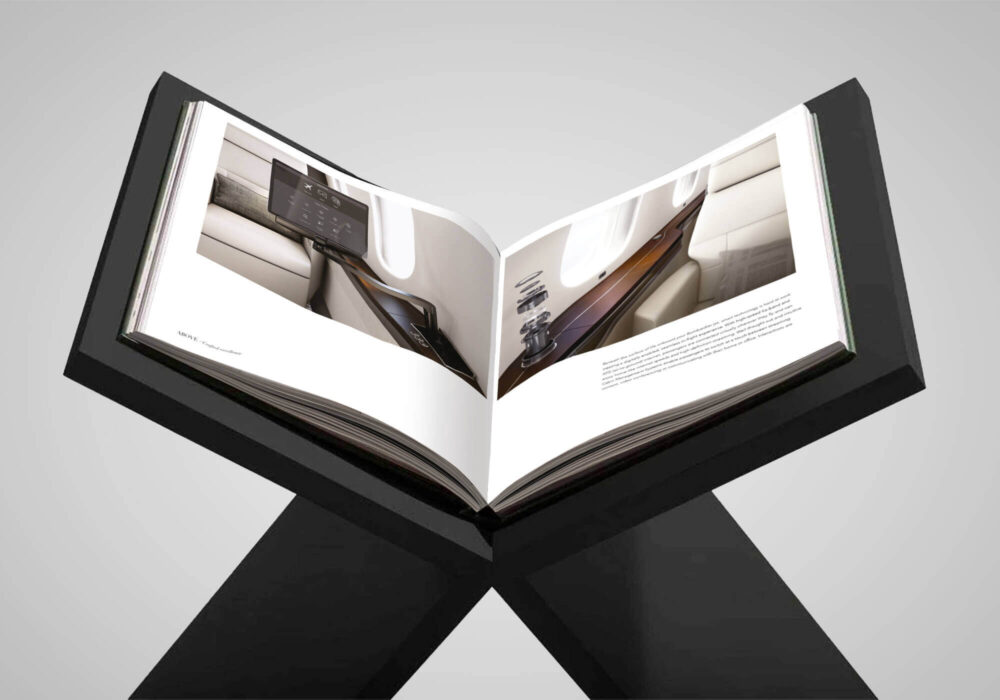
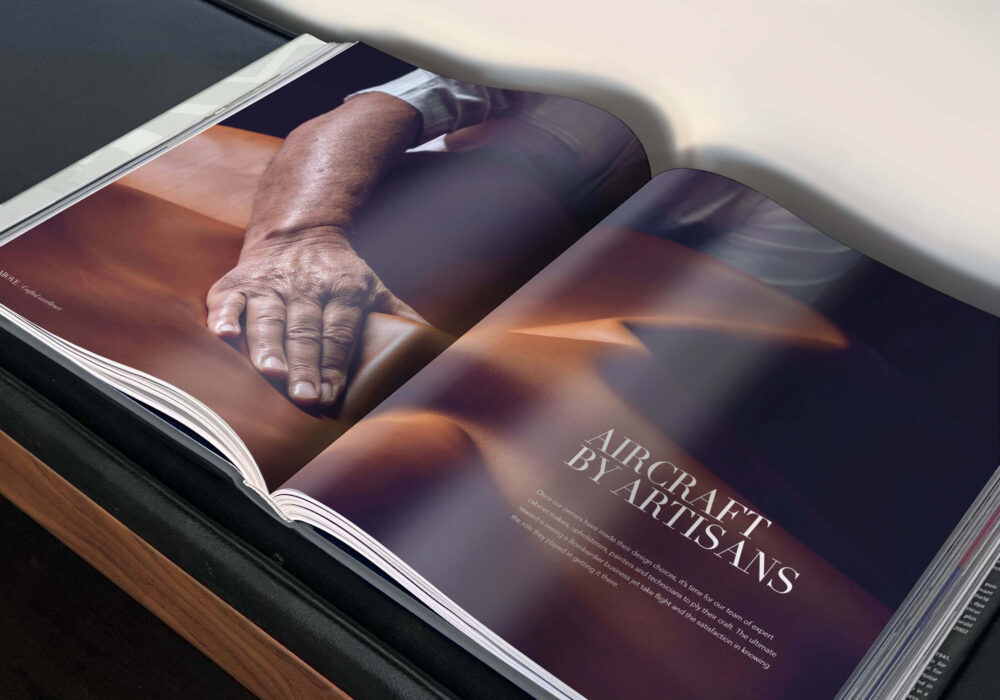
This thinking also extends beyond physical space. Carefully crafted publications can act as immersive brand experiences in their own right – where they often form the first meaningful interaction with a brand and set expectations from the outset.
Control access to build exclusivity and demand
Luxury has always been tied to exclusivity. As branding has become more visible, many high-end brands have shifted from visibility to access – carefully controlling availability to maintain desirability.
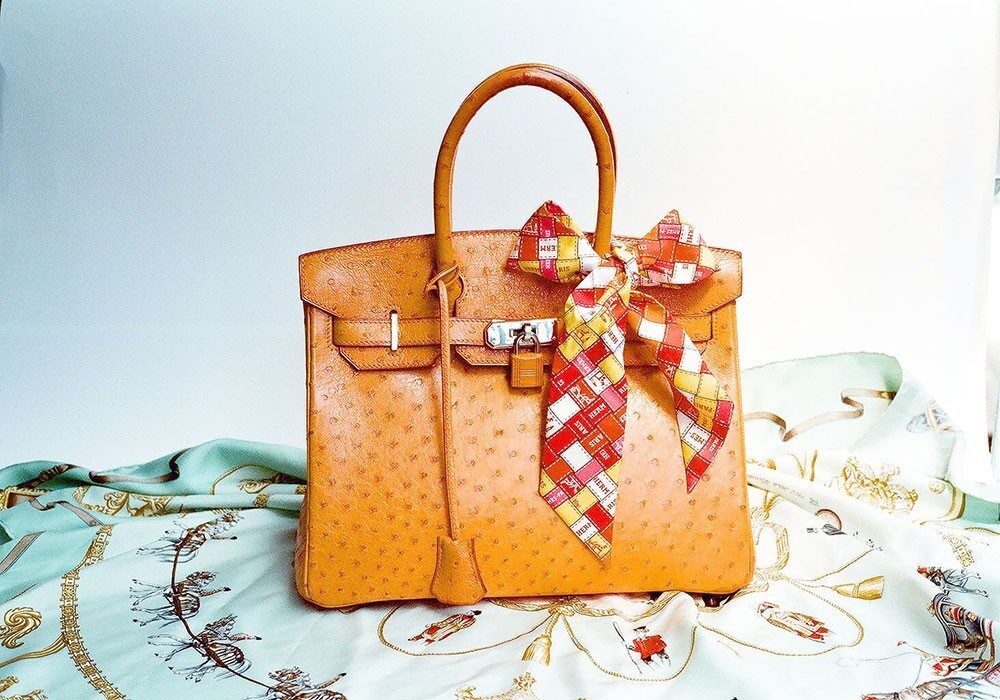
Some of the most successful luxury brands manage this with precision. Hermès, for example, continues to limit access to its most sought-after pieces, including the Birkin bag, which is not openly available for purchase and is instead offered through established client relationships. Rolex applies a similar approach, with demand for certain models far exceeding supply, reinforcing their status through scarcity. Ferrari goes further still, carefully selecting who is able to purchase specific models, ensuring the brand remains tightly controlled.
This same principle underpins more discreet, relationship-driven sectors. Quintessentially, for example, builds its value around access and curation, while NetJets reinforces exclusivity through ownership models and controlled availability.
In each case, restricting access is not about limitation for its own sake, but about reinforcing desirability, distinction and long-term value.
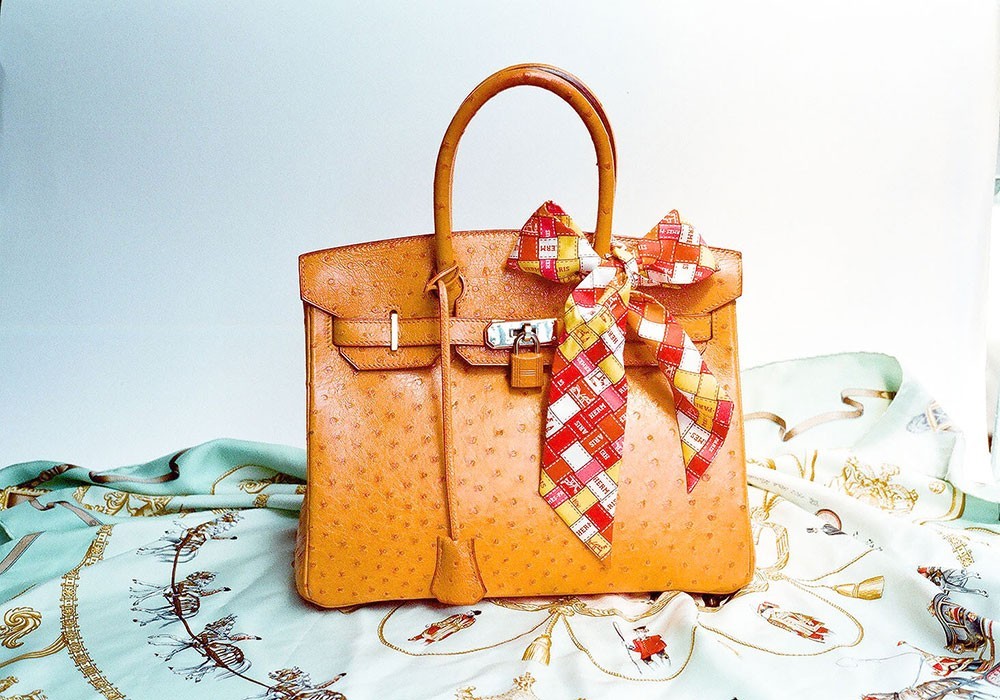
Hermès Birkin – not openly available, but offered through established client relationships
Elevate every detail to reinforce value
As luxury has become more widely accessible, true differentiation increasingly comes from quality of execution and attention to detail. Often, it is the smallest, most considered elements that leave the strongest impression.
Luxury brands communicate their value through materials, finish, format and presentation. These details shape how something is perceived, handled and remembered.
In sectors where the product itself is less tangible – particularly high-value services – the way information is presented becomes part of the experience. A carefully crafted coffee table book, a refined set of printed materials or a considered digital journey can elevate perception significantly, reinforcing quality before a conversation has even begun.