
Design & art direction

Design and art direction for coffee table books

Once a book concept is defined, this is where everything begins to take shape. Coffee table book design is not simply about arranging content on a page. It is about translating an idea into a considered visual experience – one that feels cohesive, intentional and unmistakably aligned with your brand. At this stage, narrative, imagery, typography and material thinking are brought together into a single, resolved vision.

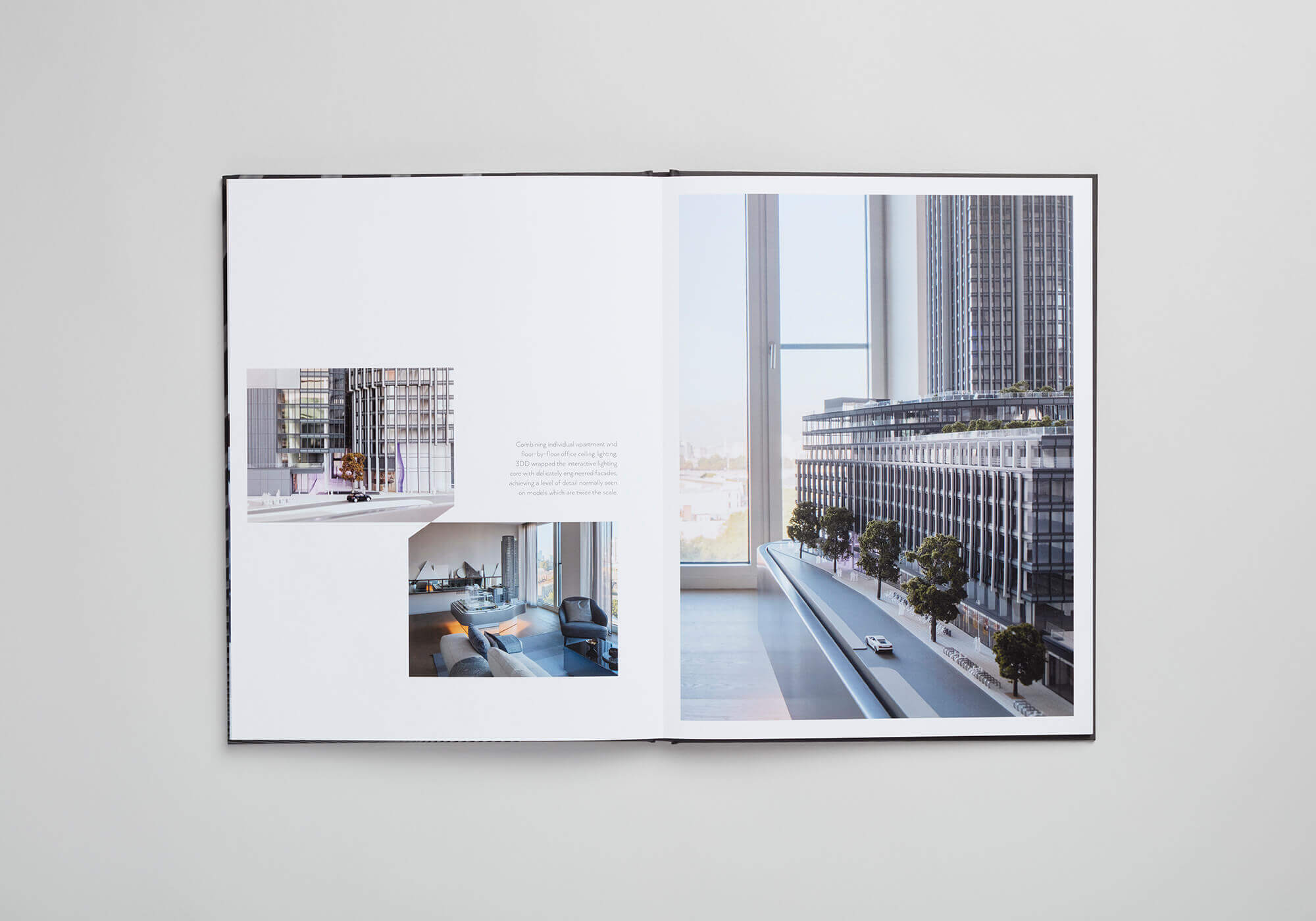
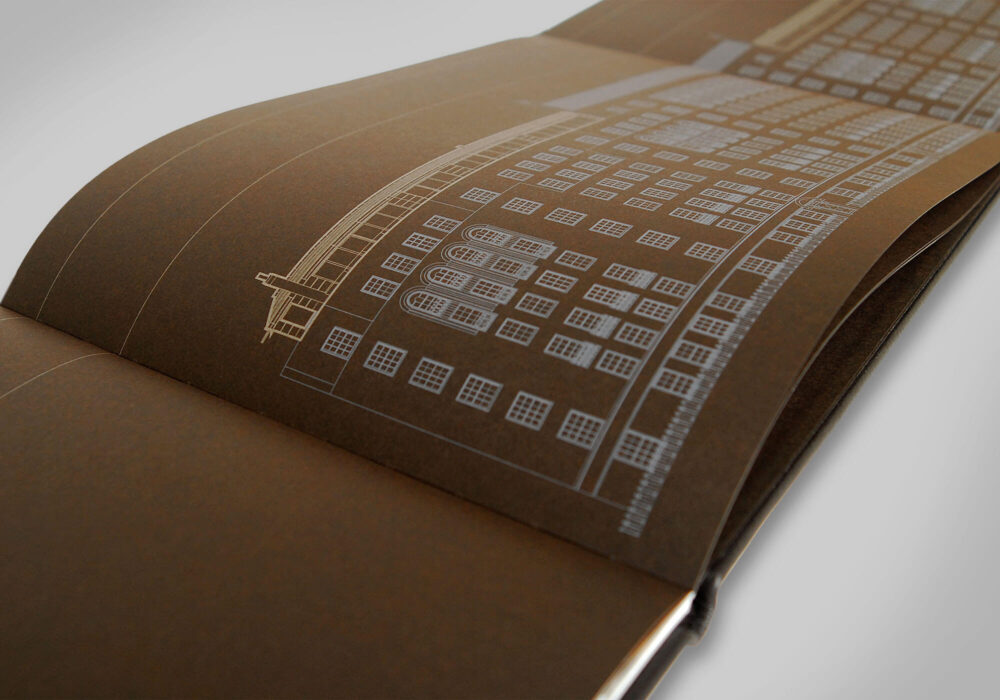
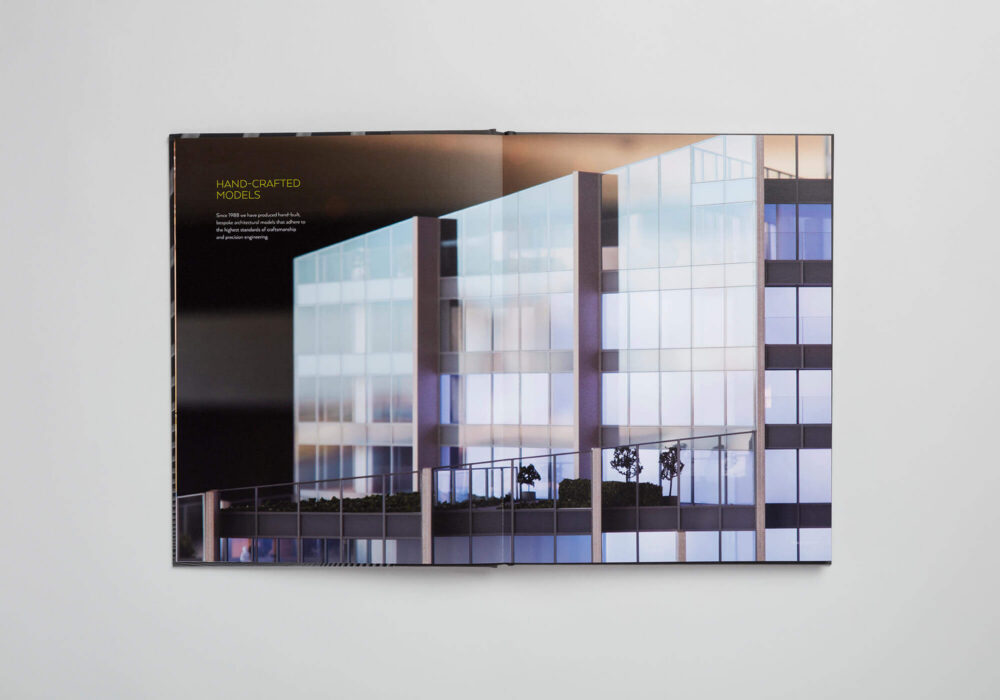
A considered balance of scale, composition and restraint across the spread.

From concept to visual language

Every project begins with a clear creative direction. Building on the approved concept, we develop a visual language that carries consistently throughout the book. This involves defining how content is structured and experienced, from layout systems and typography through to image treatment and the balance of space across each spread. The aim is always to create something that feels effortless to navigate, but never generic. The clarity and simplicity seen in strong book design is the result of careful, deliberate decisions made at every stage.
 

Art direction and storytelling

Art direction ensures that every element within the book contributes to a single, coherent narrative. Rather than treating copy, photography and supporting content as separate components, we consider how everything works together across the full sequence of pages. Imagery is edited and curated to support the story, pacing is controlled from spread to spread, and variation is introduced where needed to maintain interest and rhythm. The strongest books feel unified because every decision is made in service of the overall idea.


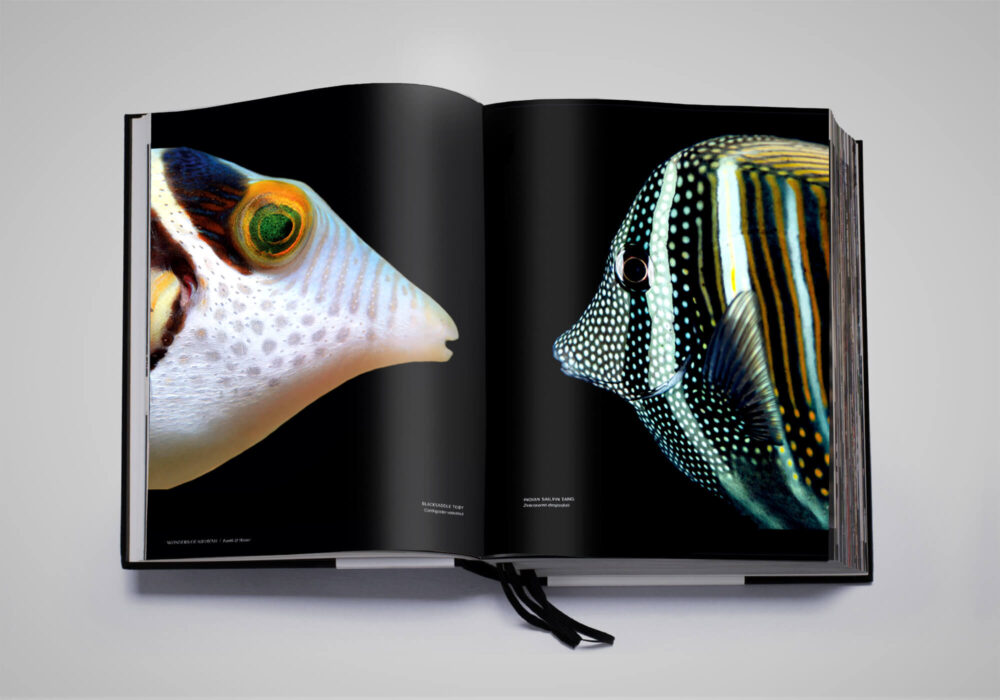
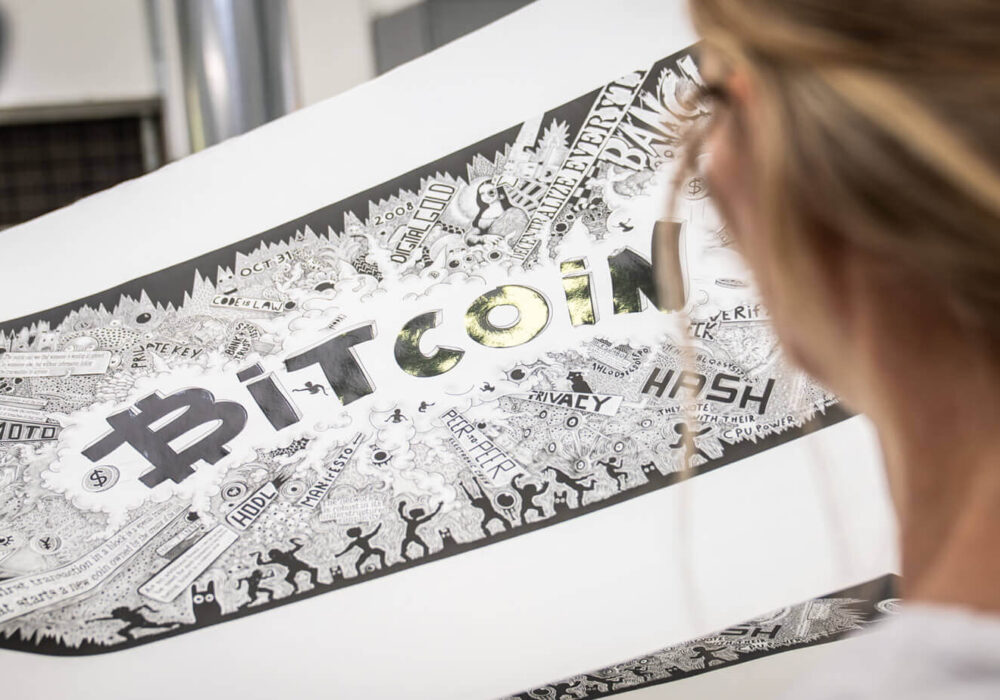
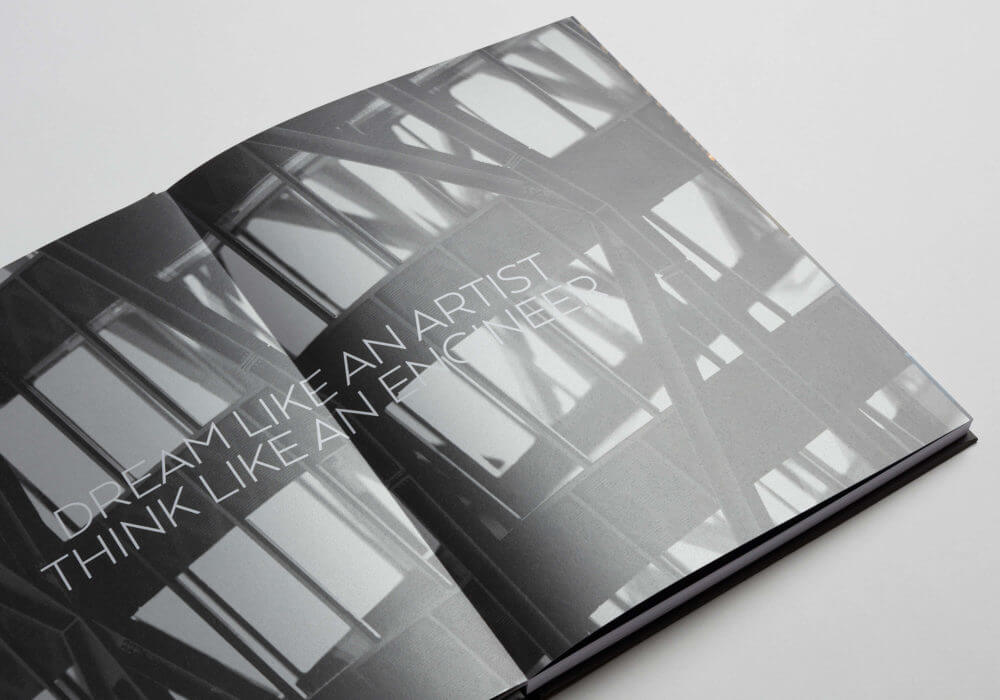
Typography and imagery working together to create a strong narrative moment.

Layout, pacing and flow

Designing a coffee table book is as much about rhythm as it is about aesthetics. We think carefully about how the book unfolds in the reader’s hands. Some moments are designed to create impact, while others allow space for the content to breathe. The pacing of imagery, the introduction of text and the balance between detail and simplicity are all considered in sequence. This is what transforms a book from a collection of pages into a structured, engaging experience.

Detail, refinement and consistency

Once the design direction is established, the focus shifts to refinement. Every element is resolved with consistency in mind, from typographic hierarchy and spacing through to image alignment and the structure of recurring elements across the book. These details are rarely noticed individually, but collectively they define the overall quality and integrity of the final piece. A well-designed book feels calm, resolved and complete because nothing has been left to chance.

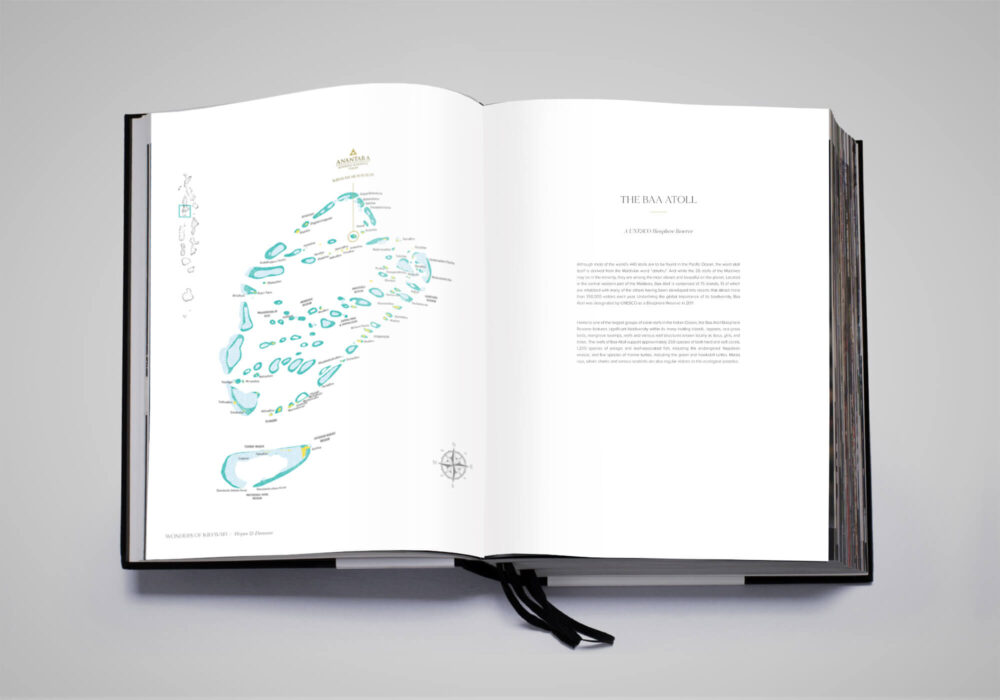
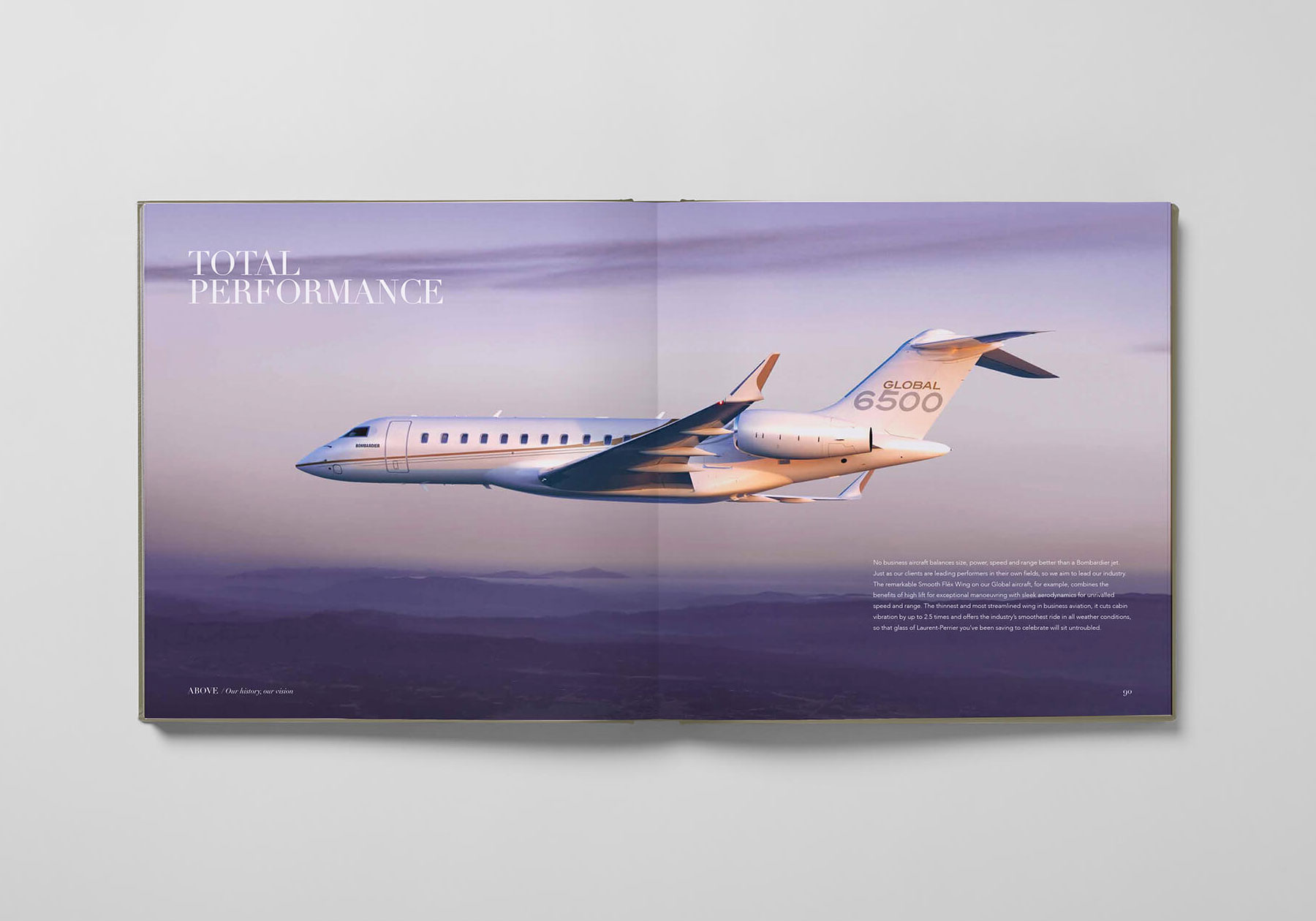
Clarity through alignment, spacing and restraint.

Book boxes and presentation

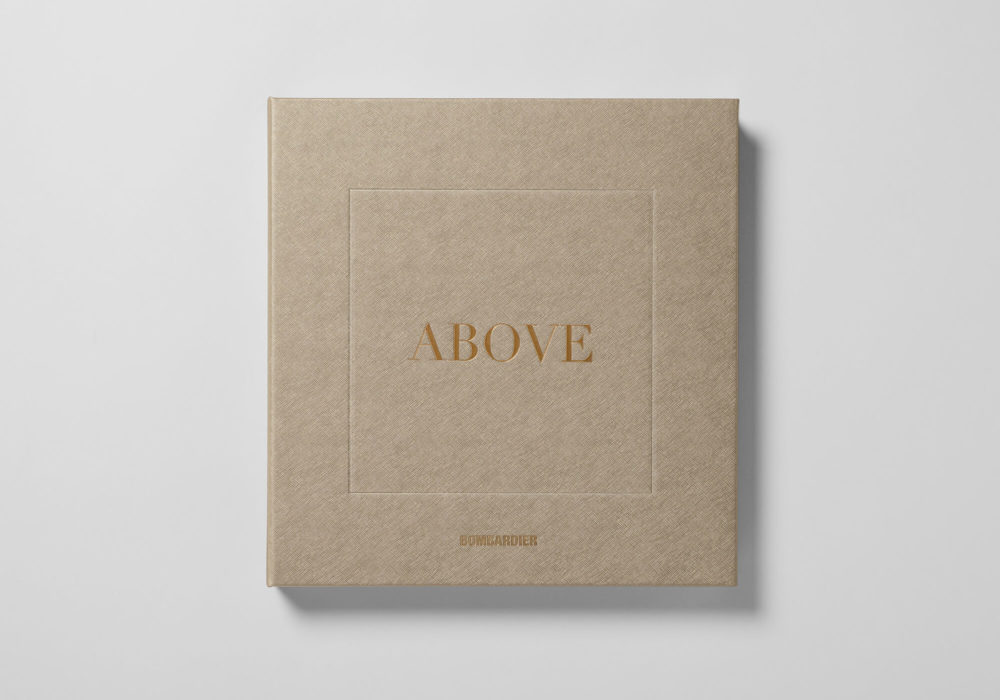
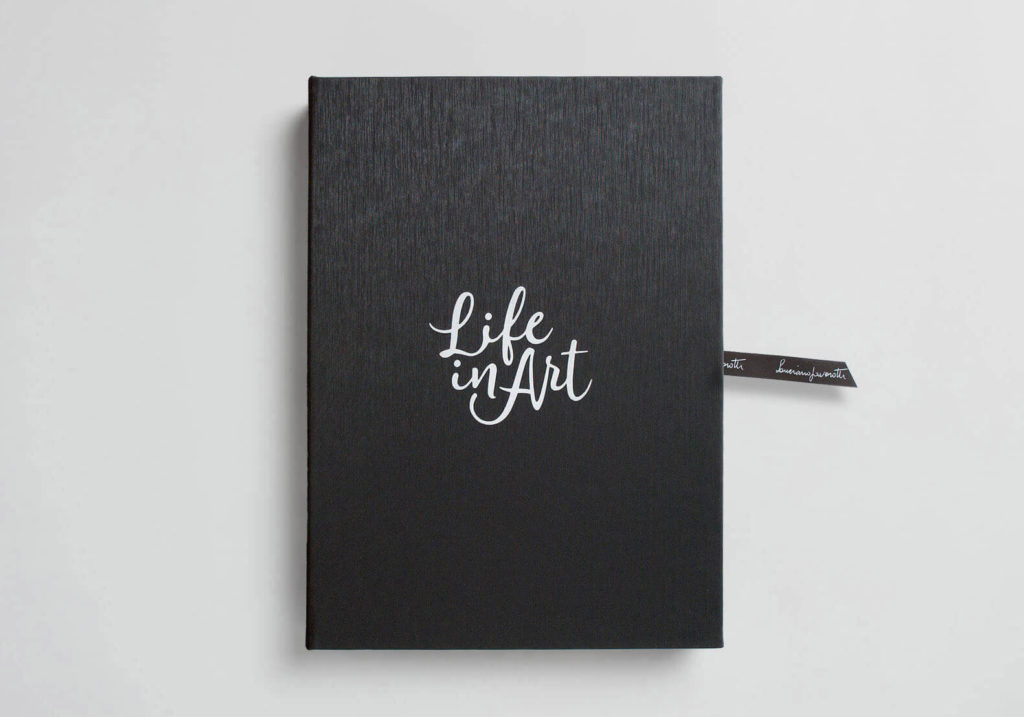
For many of our projects, the book does not exist in isolation. The way it is presented is considered from the outset as part of the overall design process. We often develop bespoke book boxes and presentation pieces alongside the book itself, ensuring that both elements feel intrinsically connected. Materials, colours, finishes and structural details are explored in parallel, so that the final object has a clear and cohesive identity.

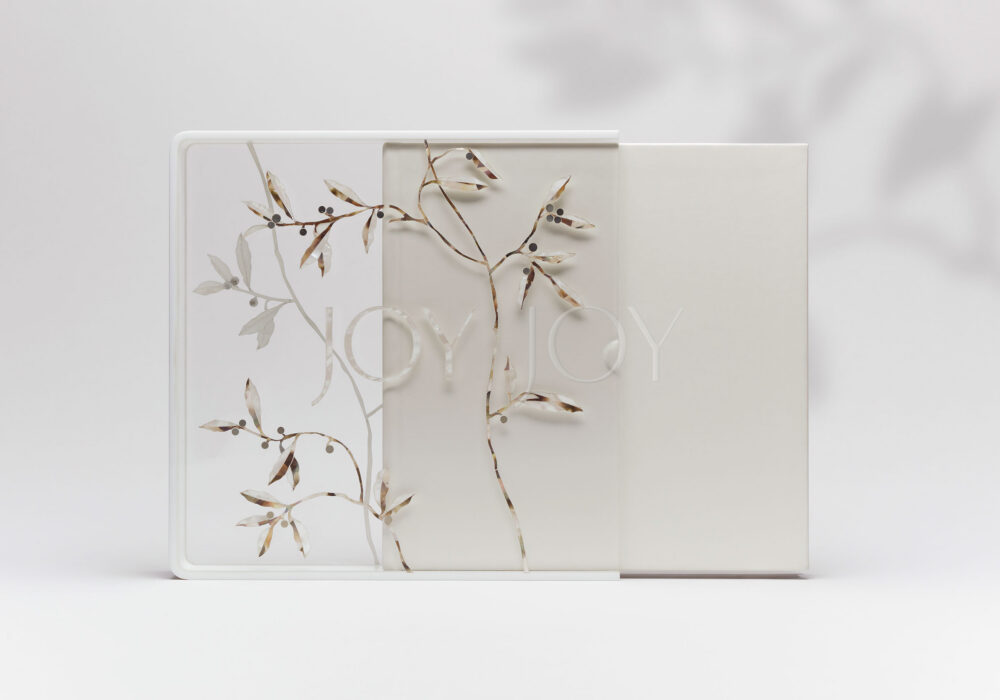
This might involve fully enclosed clamshell boxes, slipcases or more sculptural forms using specialist materials. Whatever the approach, the intention is always the same – to elevate the book into something more permanent and considered, where the experience begins before the first page is even turned.

By integrating packaging into the art direction, the book and its enclosure feel like a single, resolved piece rather than separate components.

Designed for production

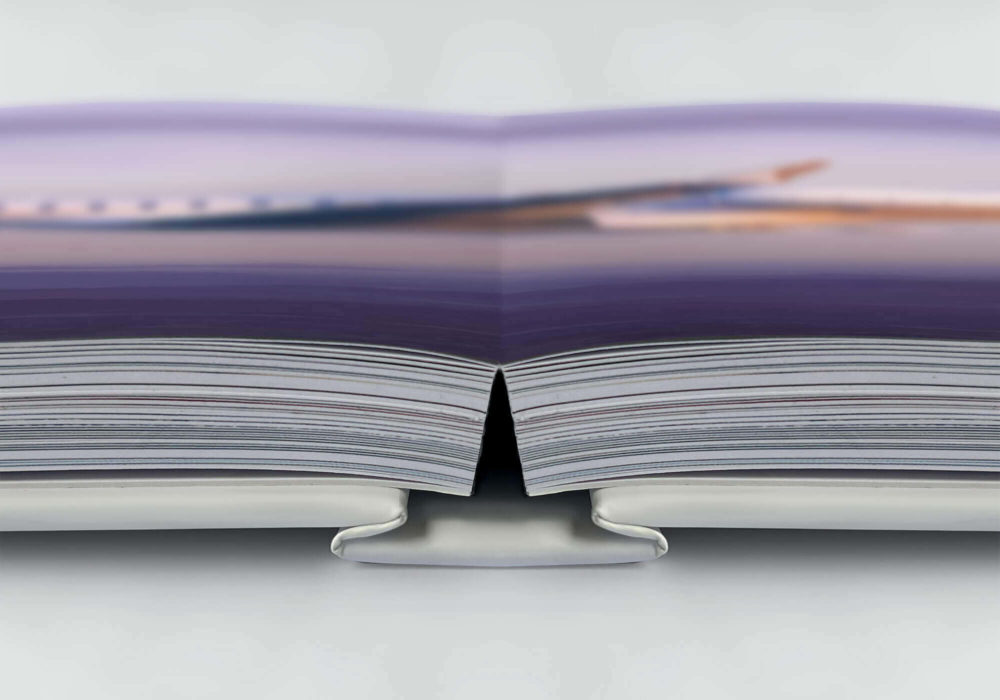
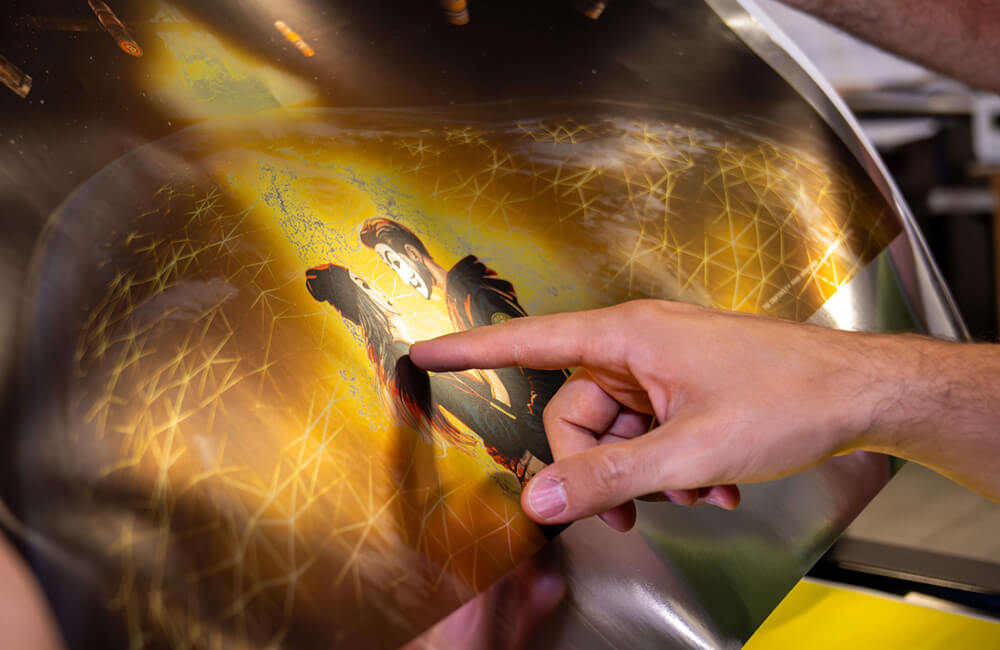
Throughout the design process, we are already thinking ahead to printing and production. Decisions around layout, imagery, print finishes, special papers and binding style are developed in parallel with how the book will ultimately be printed and handled. This ensures that what is designed on screen translates seamlessly into a physical object. Design and production are not separate stages, but closely connected parts of the same process.

A considered, collaborative process

Our coffee table book design process is inherently collaborative, and we work closely with our clients at every stage. Concepts are presented, layouts are developed and refined, and the book evolves through structured rounds of feedback. The aim is always to create something that feels effortless and resolved, but is underpinned by a clear and intelligent design process.

If you are considering commissioning a custom coffee table book we would love to help. Please complete the enquiry form at the bottom of this page or email us.